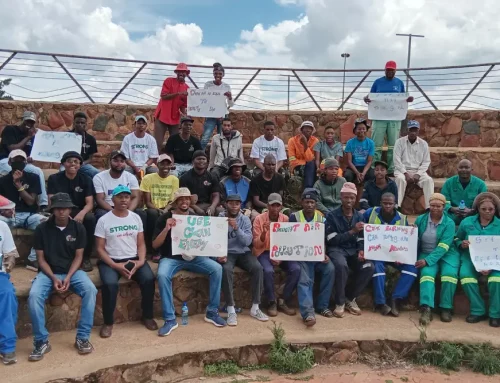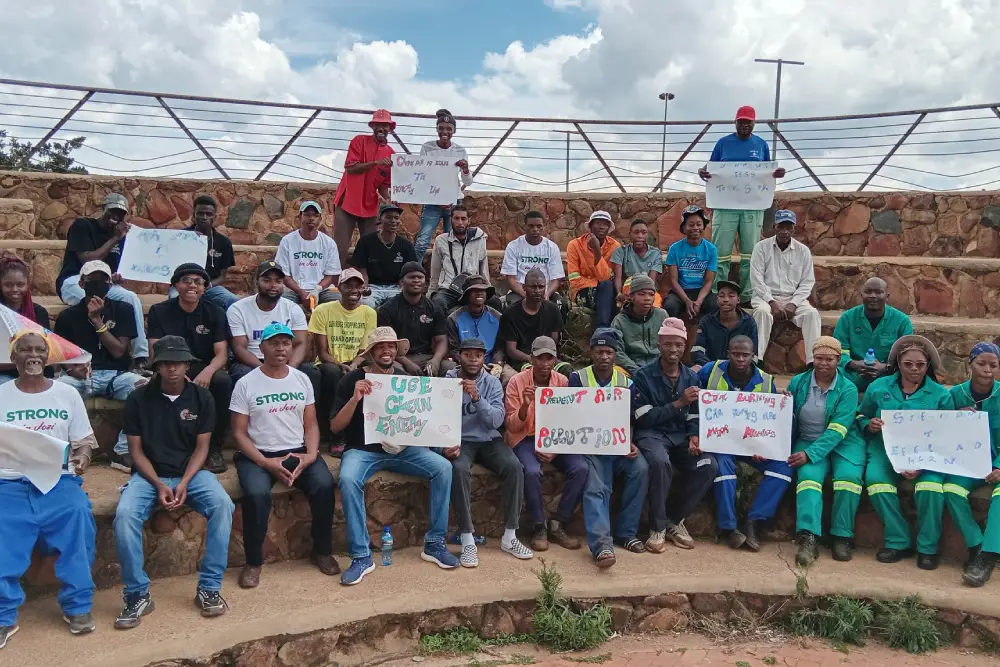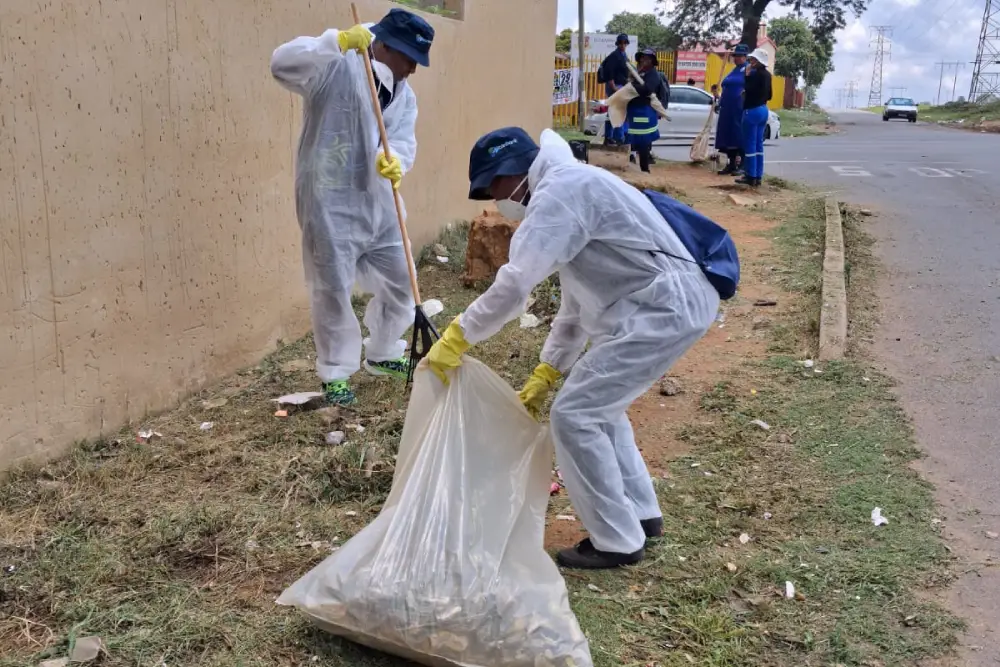
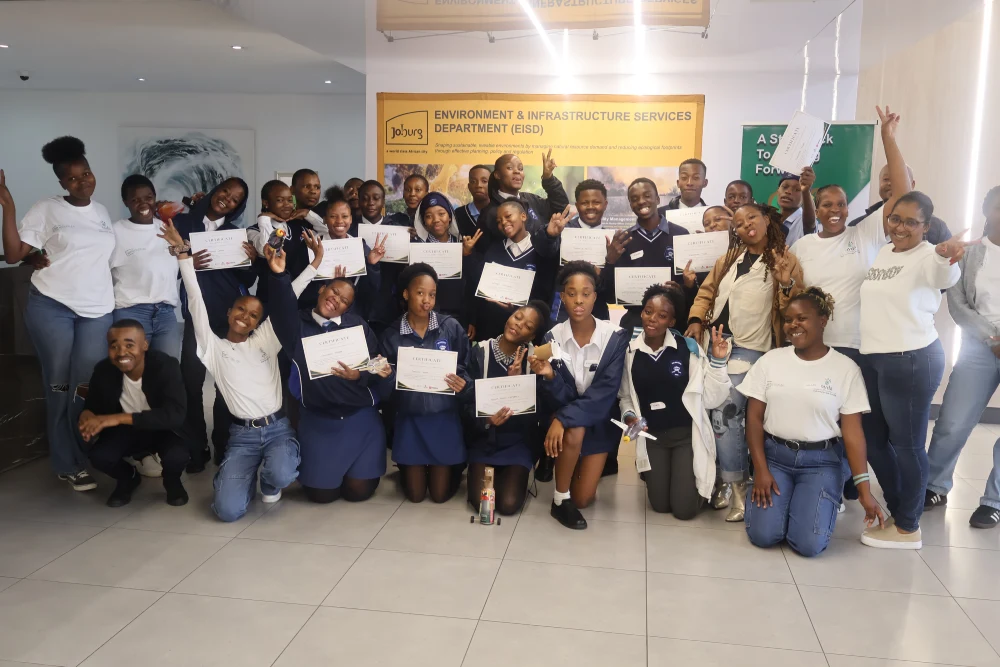
On the 28th of November 2025, Sankofa hosted the Breath-Athon Challenge Program, a full-day environmental innovation training attended by 41 participants. The initiative aimed to equip young people with practical skills to address air quality challenges in Johannesburg while promoting sustainability, creativity, and technological literacy.
The program began with environmental education sessions where participants explored local air pollution challenges, identified key pollution sources, and examined the impacts on communities. Participants also received intellectual property training, which introduced the fundamentals of protecting innovative ideas and encouraging responsible innovation.
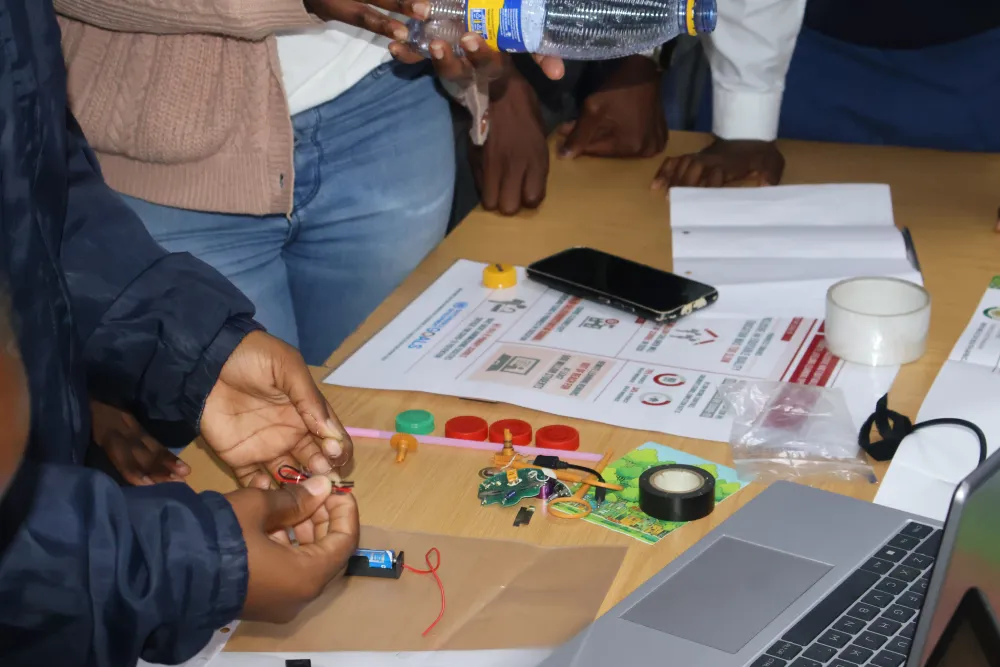
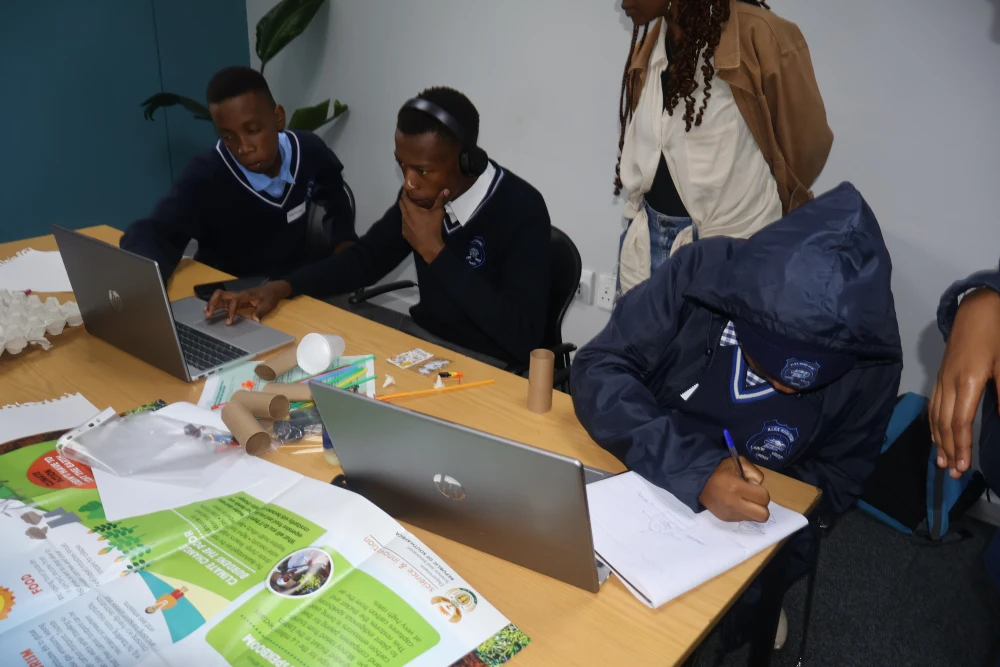
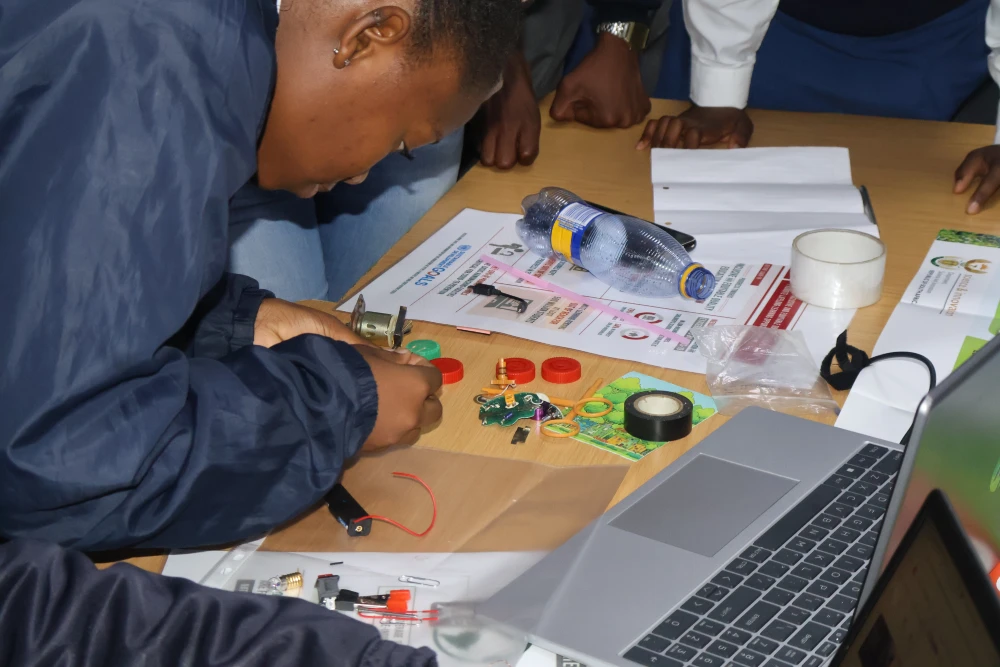
Through design thinking workshops under the theme “Breathe – Build – Belong,” participants learned how to define real-world environmental problems and develop community-focused solutions. This was followed by hands-on prototyping using recyclable materials, as well as Scratch programming sessions where participants animated pollution challenges and tested digital prototypes.
The program concluded with team presentations and solution pitching, alongside AR/VR environmental exploration, providing interactive learning experiences. All 41 participants successfully completed the training, demonstrating creativity, collaboration, and commitment to improving community air quality.
Key Outcomes
Lesson Learned
The campaign demonstrated that environmental awareness is most effective when combined with practical, hands-on learning. By engaging participants in design thinking, prototyping, and digital tools, the program empowered young people to move beyond awareness and actively develop solutions to local air quality challenges.
What Stood Out
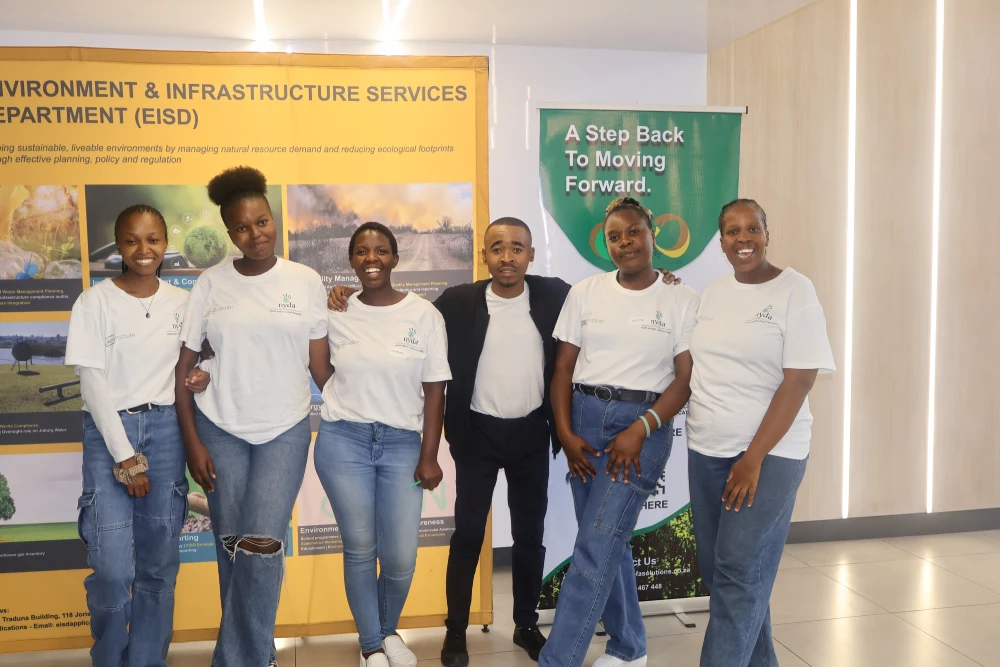
A key highlight of the campaign was the active participation and creativity of the 41 attendees, who collaborated to design innovative, community-focused air quality solutions. The integration of environmental education, technology, and innovation along with interactive experiences such as AR/VR exploration and solution pitching created a dynamic learning environment that encouraged youth-driven environmental action.