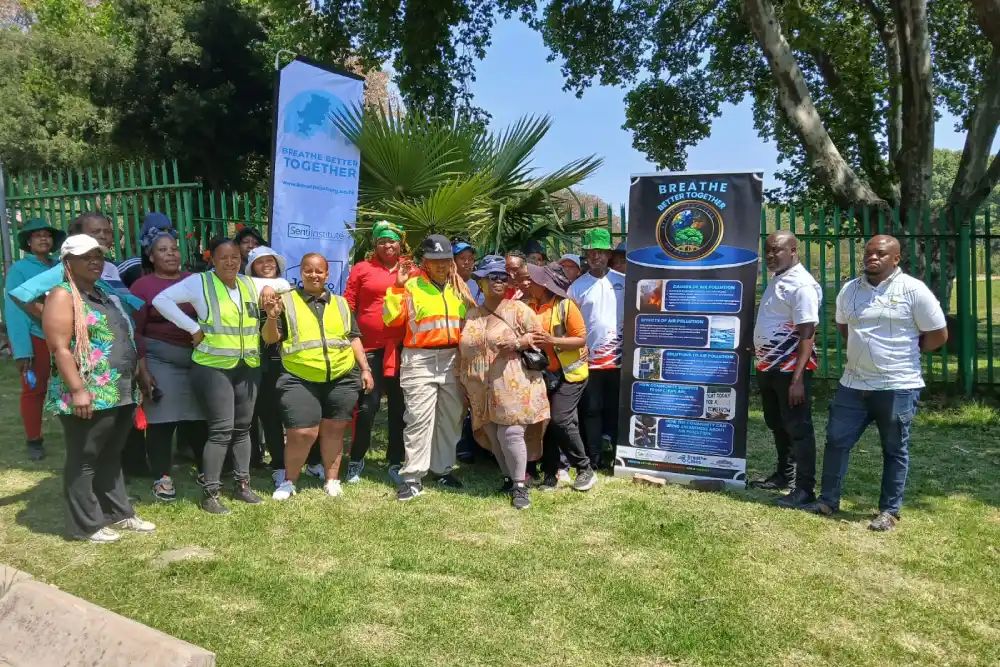
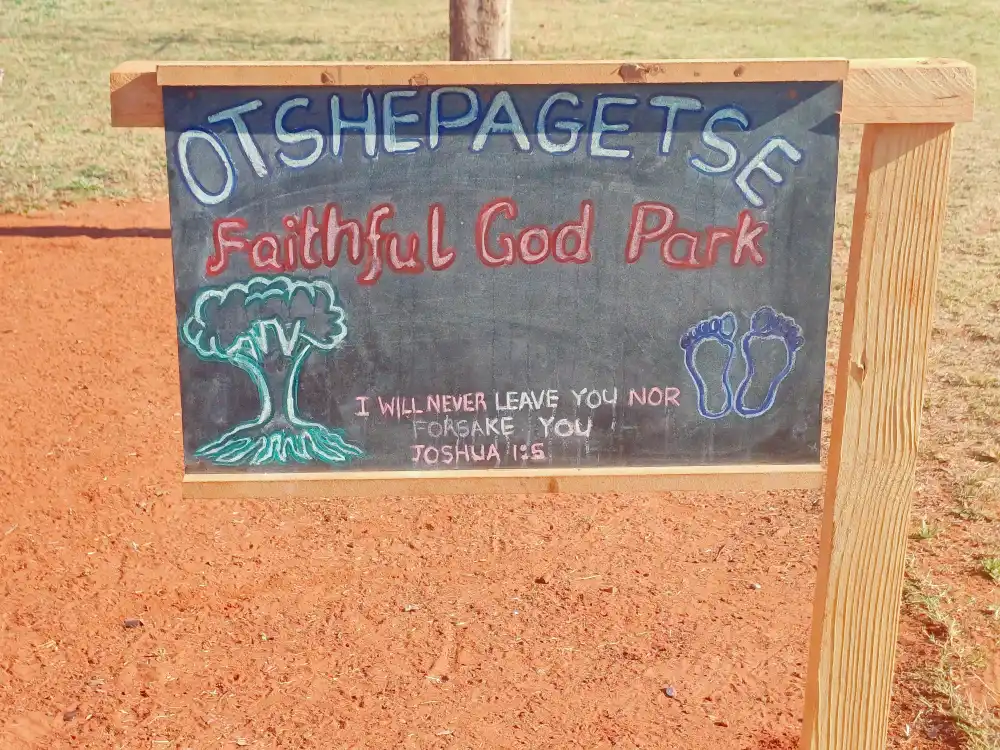
Can the simple act of picking up litter, recycling waste or caring for a tree help protect the air we breathe? At DSJ Primary School in Dobsonville, learners are discovering how these everyday actions can contribute to a cleaner environment and help prevent sources of air pollution. From understanding the dangers of burning rubbish to learning how healthy vegetation supports better surroundings, the message is clear: protecting our air begins with the choices we make every day.
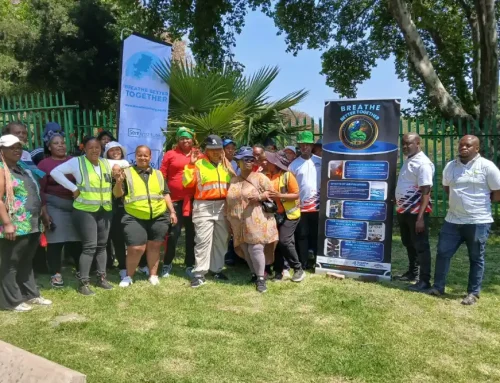
On the 12th of September 2026, Atlegang Bana Foundation brought this message to life through an environmental awareness campaign under the theme “Clean Air for Blue Skies: Maintaining a Clean and Greener Environment”. The initiative brought together 29 learners from Grades 1–7 and six teachers, with the aim of raising awareness of air pollution, promoting responsible waste management and building lasting environmental responsibility within the school community.
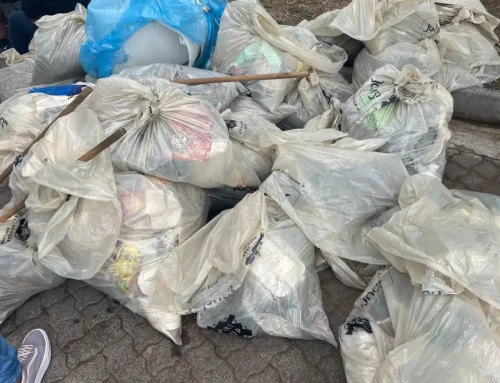
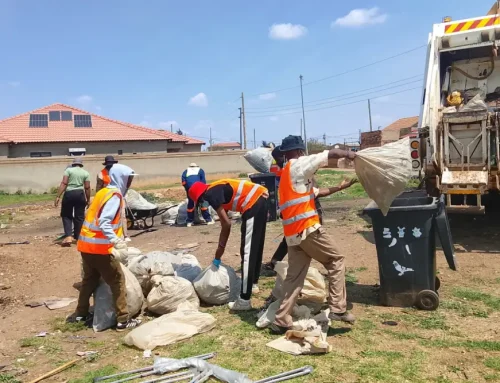
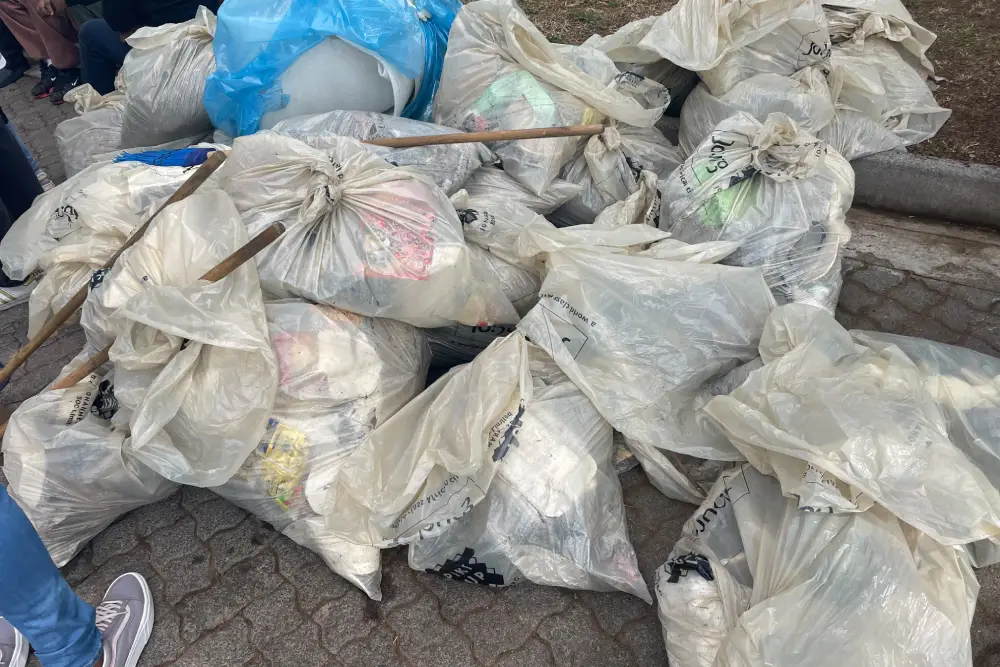
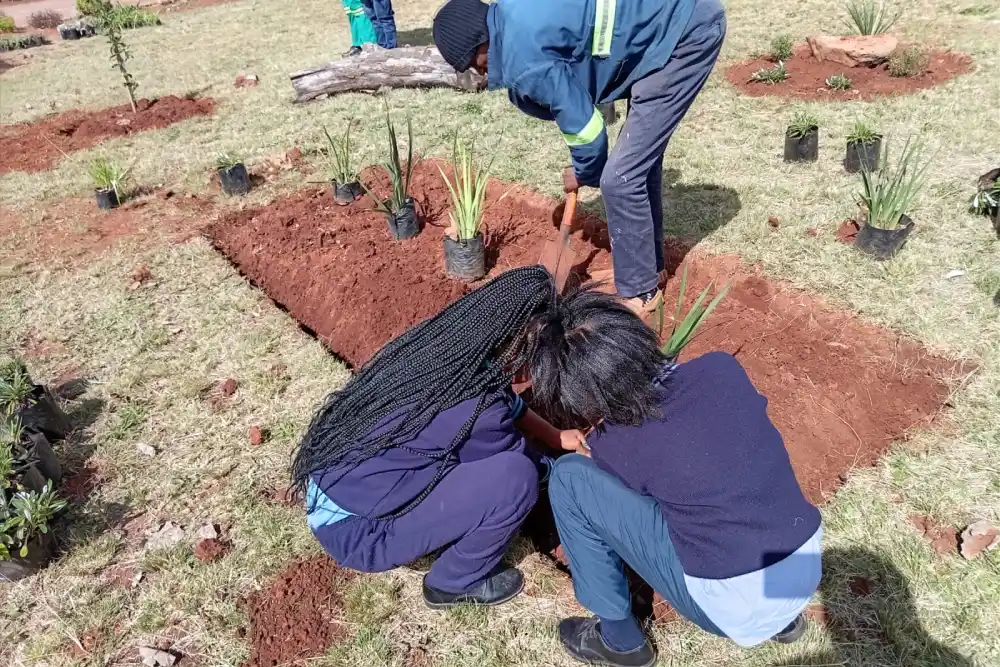
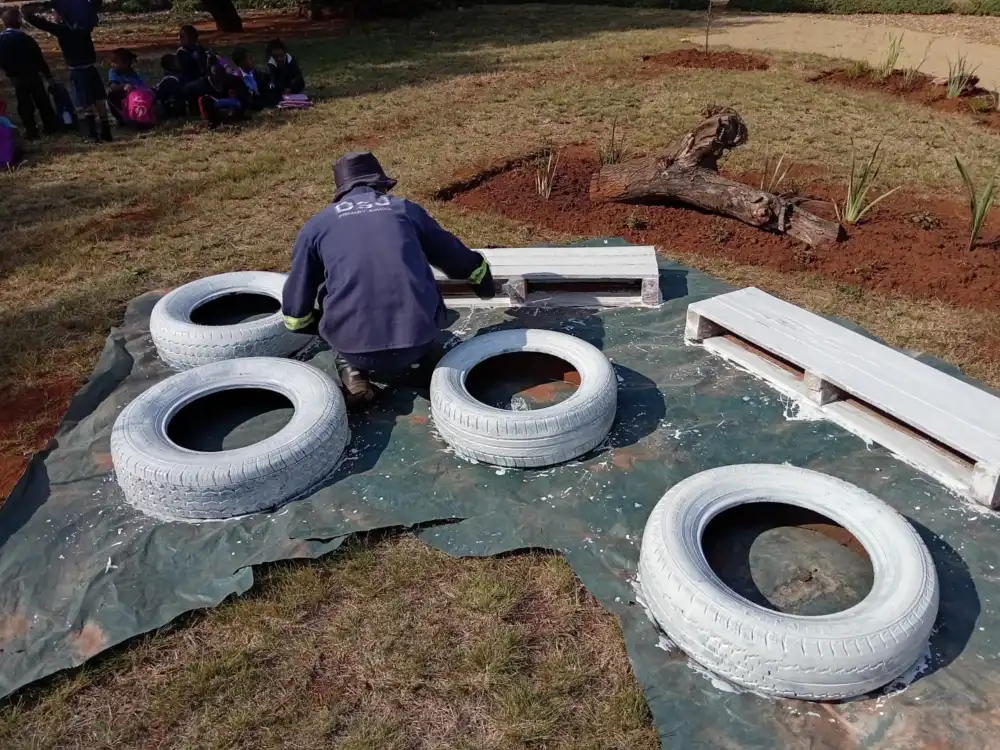
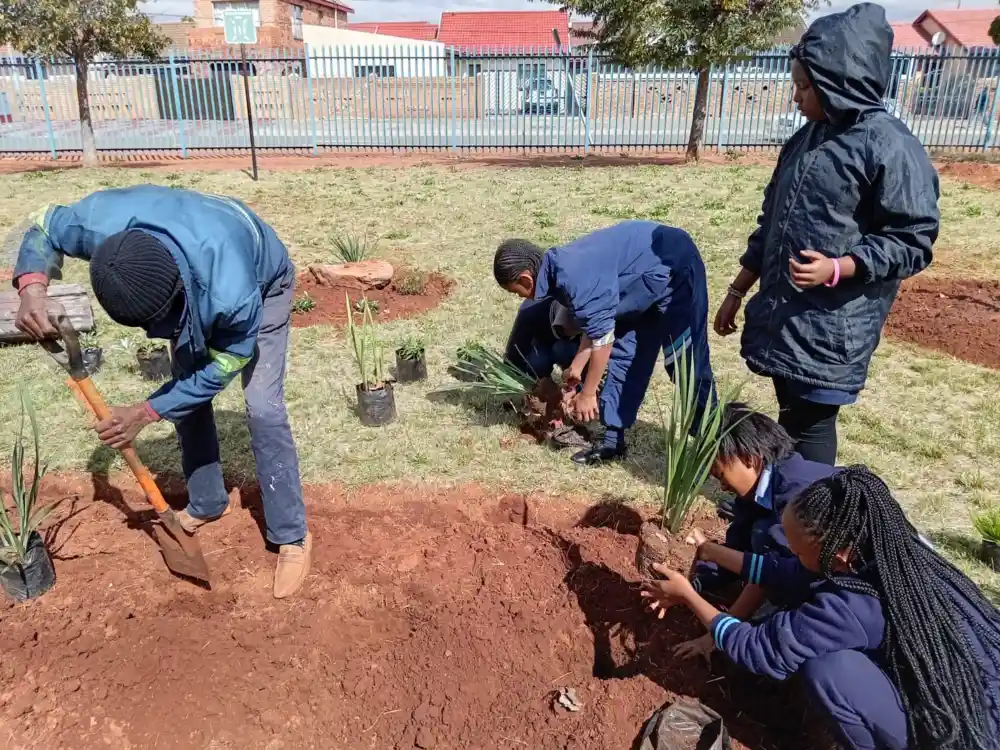
Instead of limiting the session to discussions only, learners also took part in collecting recyclable materials, picking up litter, watering gardens and caring for newly planted trees. They also learned essential gardening practices, including watering, weeding, composting and pruning. These activities demonstrated the connection between environmental care and air quality: burning waste releases harmful pollutants and fine particles into the air, while proper waste management helps prevent this source of pollution. Trees and other vegetation can also capture some airborne particles, provide shade and support healthier school surroundings, although they cannot eliminate air pollution on their own.
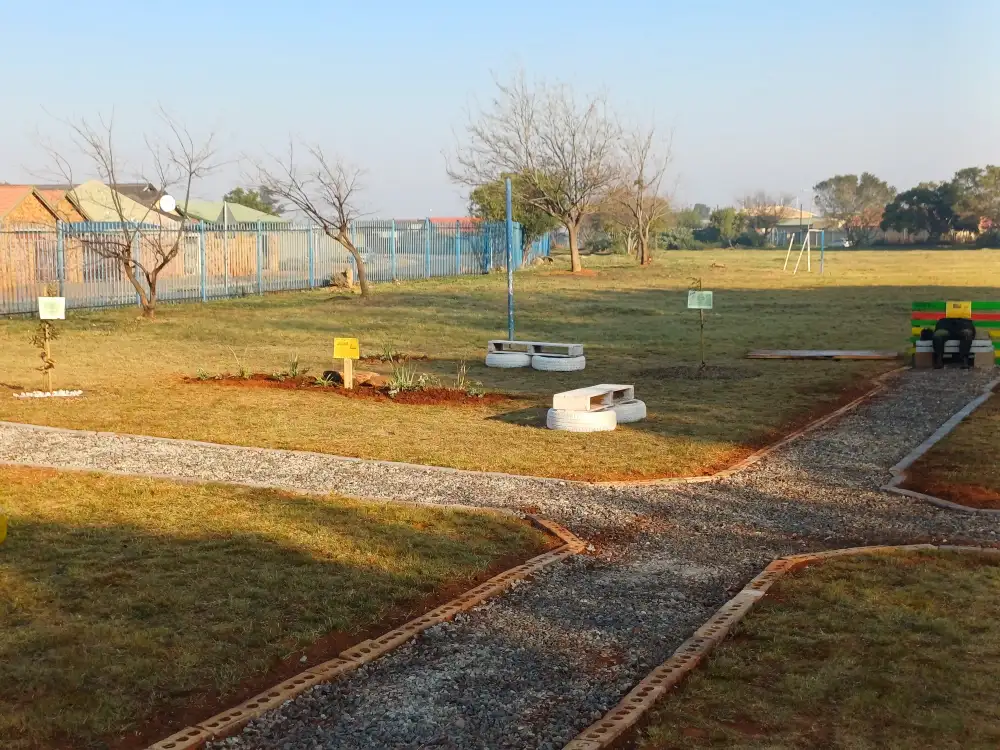
To support continued action beyond the one-hour campaign, learners were assigned duties within their respective committees to help maintain a clean school environment. This approach encouraged shared responsibility and aimed to ensure that environmental care continued even when campaign facilitators were no longer present. By combining education with practical participation, the initiative helped demonstrate how small, consistent actions can contribute to reducing pollution and protecting the air the school community breathes.

Key Outcomes
Lesson Learned
- Keeping shared spaces clean should be part of everyday life, rather than something done only in exchange for rewards.
- Teaching learners to grow and care for plants can strengthen environmental awareness while developing practical skills that may support food security and future livelihood opportunities.
What Stood Out
- Older learners led by example, demonstrating how positive behaviour can encourage participation among younger learners.
- Assigning learners to committees created an opportunity to continue environmental activities beyond the campaign.